< previous project

Bending-Active Beam-String: A Form-Finding Paradox

©ITA Engenharia em Madeira
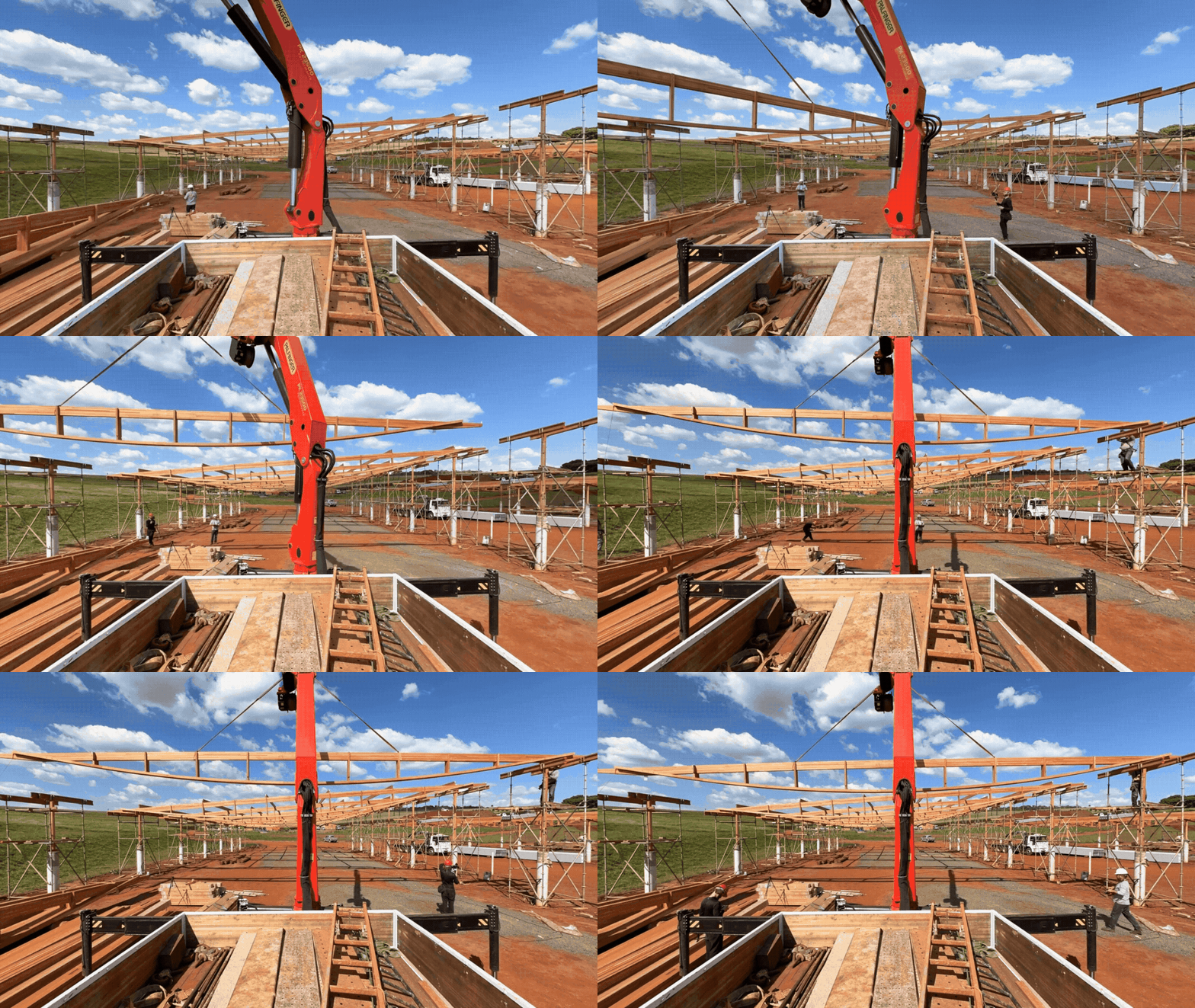
Hangar construction site ©ITA Engenharia em Madeira
Architecture:

Aflalo Gasperini Architects

Engineering:

ITA Engenharia em Madeira

Hélio Olga (CEO), João Pini (Head of Engineering)

Location:

São Paulo, Brazil

Status:

Completed, 2026

Text adapted from the IASS 2024 article Performance-Based Design of a Bending Active Hardwood  Glulam Beam-String: a Form-Finding Paradox written by João Tavares PINI and Hélio OLGA.

Read the full paper below:

(PDF) Performance-Based Design of a Bending Active Hardwood Glulam Beam-String: a Form-Finding Paradox

The project aimed to develop an efficient, simple, and clear structural solution in tropical hardwood timber that could compete with typical steel or precast concrete industrial sheds in the context of the global south. Early studies of trussed arrangements showed that they required numerous tensile connections, which led the research toward a lenticular beam-string that would reduce the number of critical nodes to two. While demonstrating very low material consumption, lenticular beams typically rely on curved members which depend on non-automated fabrication methods.

This led to a new hypothesis: a bending-active beam-string composed entirely of straight glulam chords bent into shape during pre-assembly. In this approach, the form-finding process gained complexity: the relationship between post heights and chord inertia would determine the structural form through pre-assembly deformation.

While the found structure resulted in extremely low timber consumption of 0.024 m³/m², the major outcome lies in the connection design. The shallow curvature of the upper chord and the greater width of the lower chord create a long contact region, allowing internal forces to be transferred with screws only, resulting in a minimal usage of 0.1kg/m² of steel.

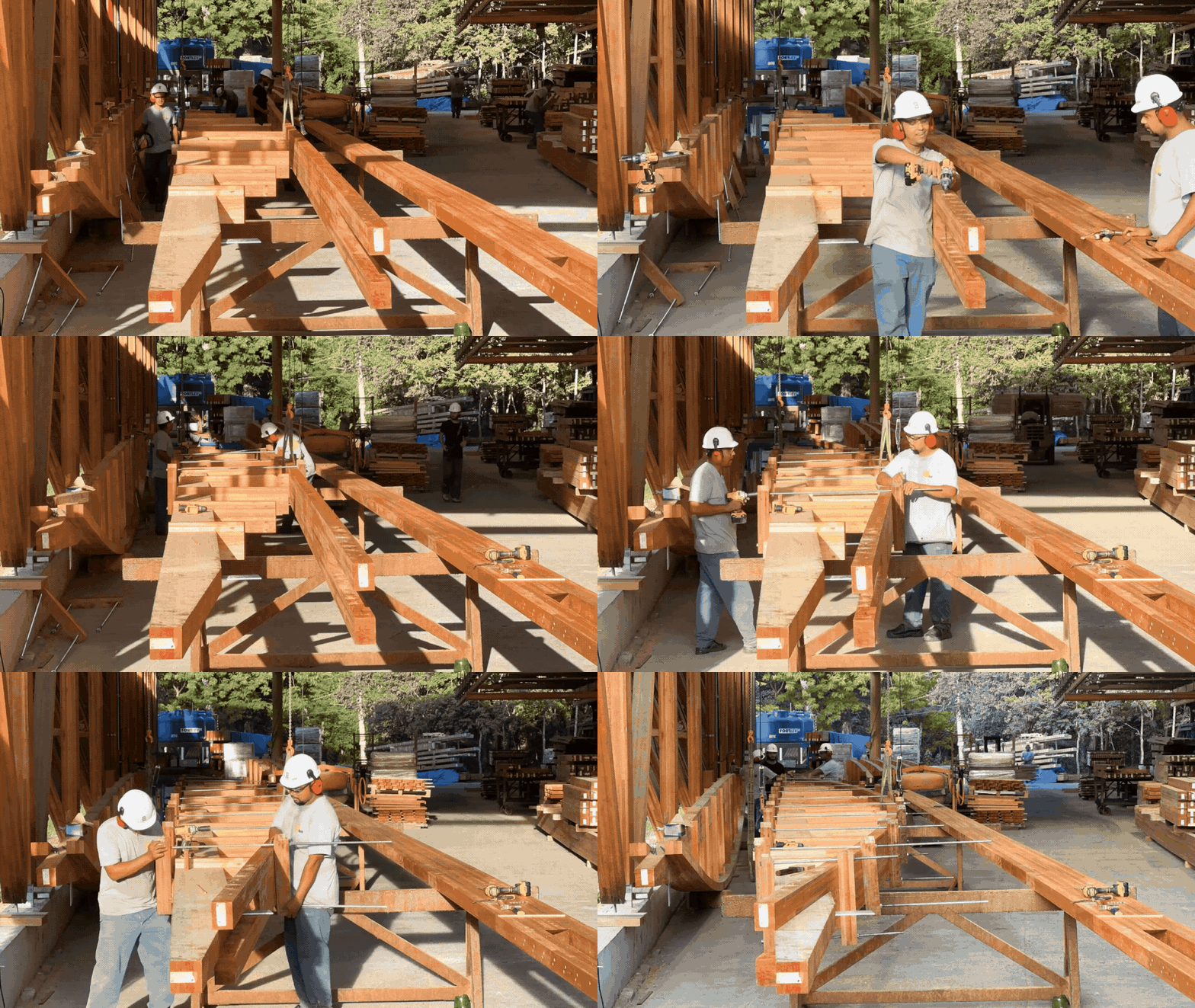
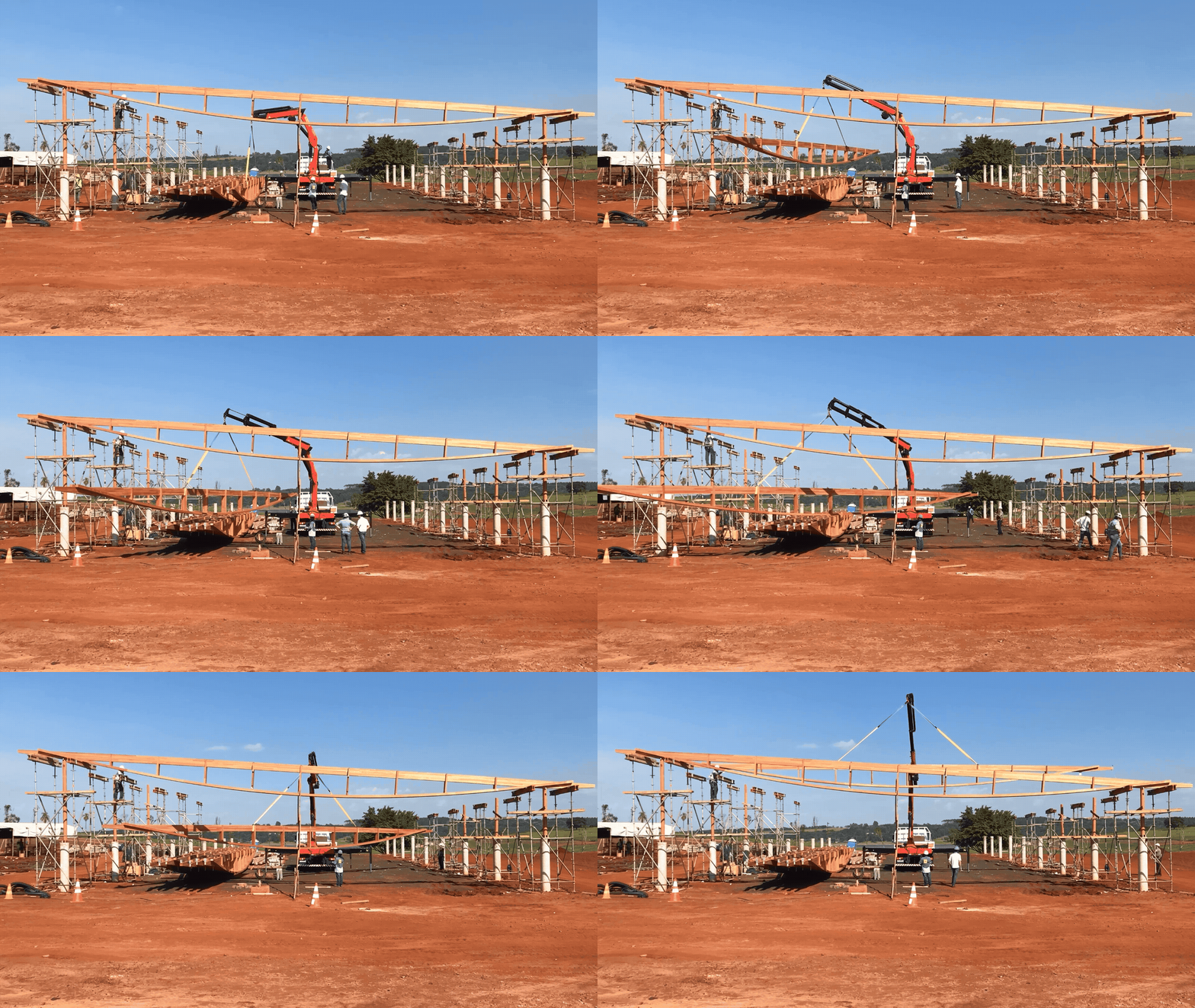
A full-scale prototype validated the analytical predictions and the imposed-curvature concept. After automated gluing and machining, two carpenters pre-assembled two beam-strings per day. On-site installation of the first unit was completed in three weeks by a team of three.

By integrating geometry, material behavior, and production constraints from the outset, this design generated a lightweight, low-carbon, low-cost tropical hardwood solution capable of competing with steel and concrete alternatives. The form-finding algorithm enables adaptation to different spans and loads, making the solution scalable and appropriate for the context of the global south.

Beam pre-assembly ©ITA Engenharia em Madeira
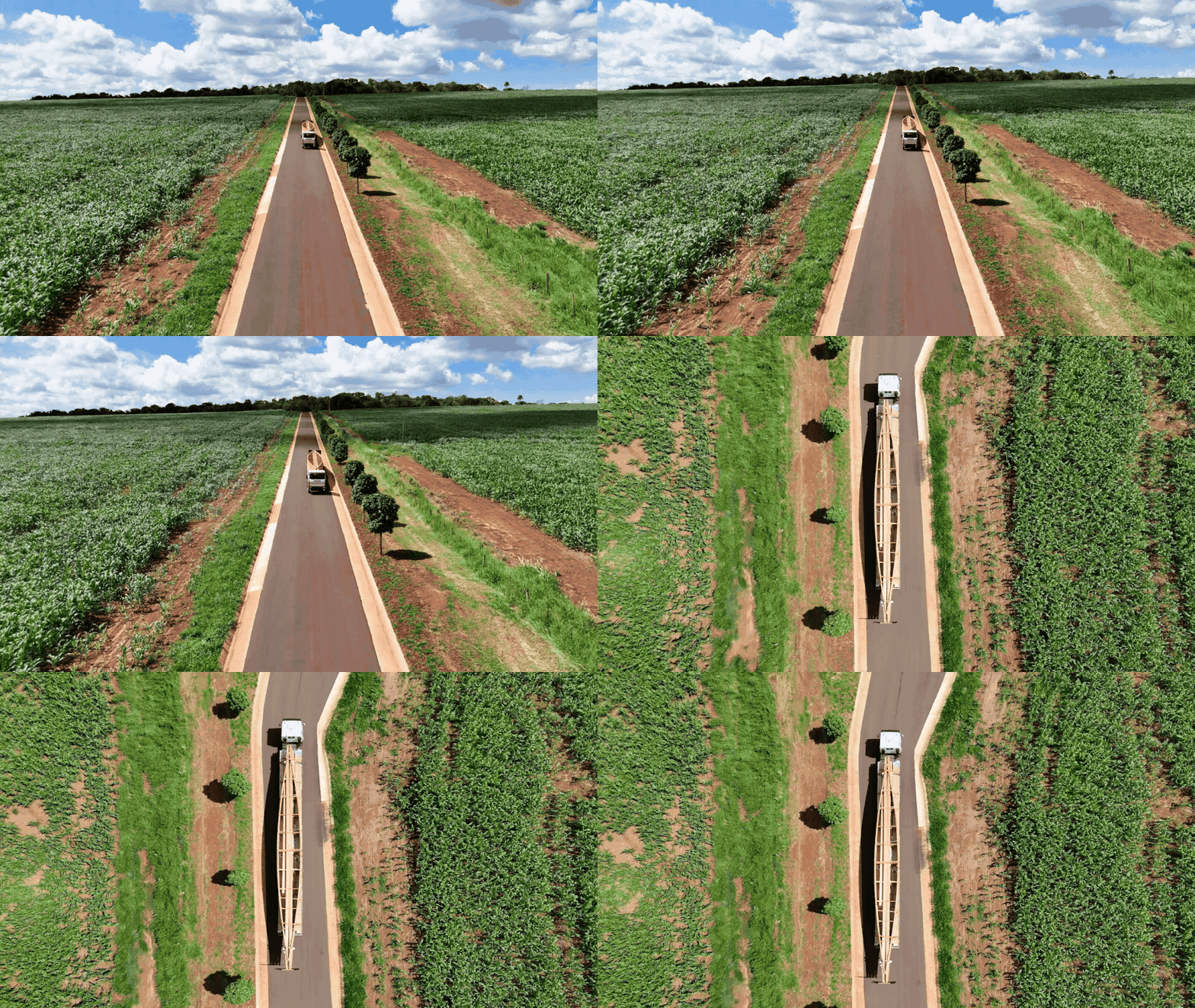
Beam transport ©ITA Engenharia em Madeira
YouTube

By loading the video, you agree to YouTube's privacy policy.
Learn more

Load video

Documentary  THE STRENGTH OF FORM – bending-active hardwood beam-string  presents the research conducted in the search for a lightweight, efficient structural solution compatible with the Brazilian context, especially for small and medium-sized industrial buildings, traditionally built with prefabricated steel or precast concrete structures.

It features testimonials from internationally renowned professionals such as Erick Karsh (Equilibrium), Evy Slabbinck (Design-to-Production) Stefan Rick (SJB Kempter Fitze), Hélio Olga and João Pini (ITA Engenharia em Madeira). They discuss the technical implications of the research and the parallels with projects of great global relevance, including Wisdom Stockholm.

Completed Hangar ©ITA Engenharia em Madeira

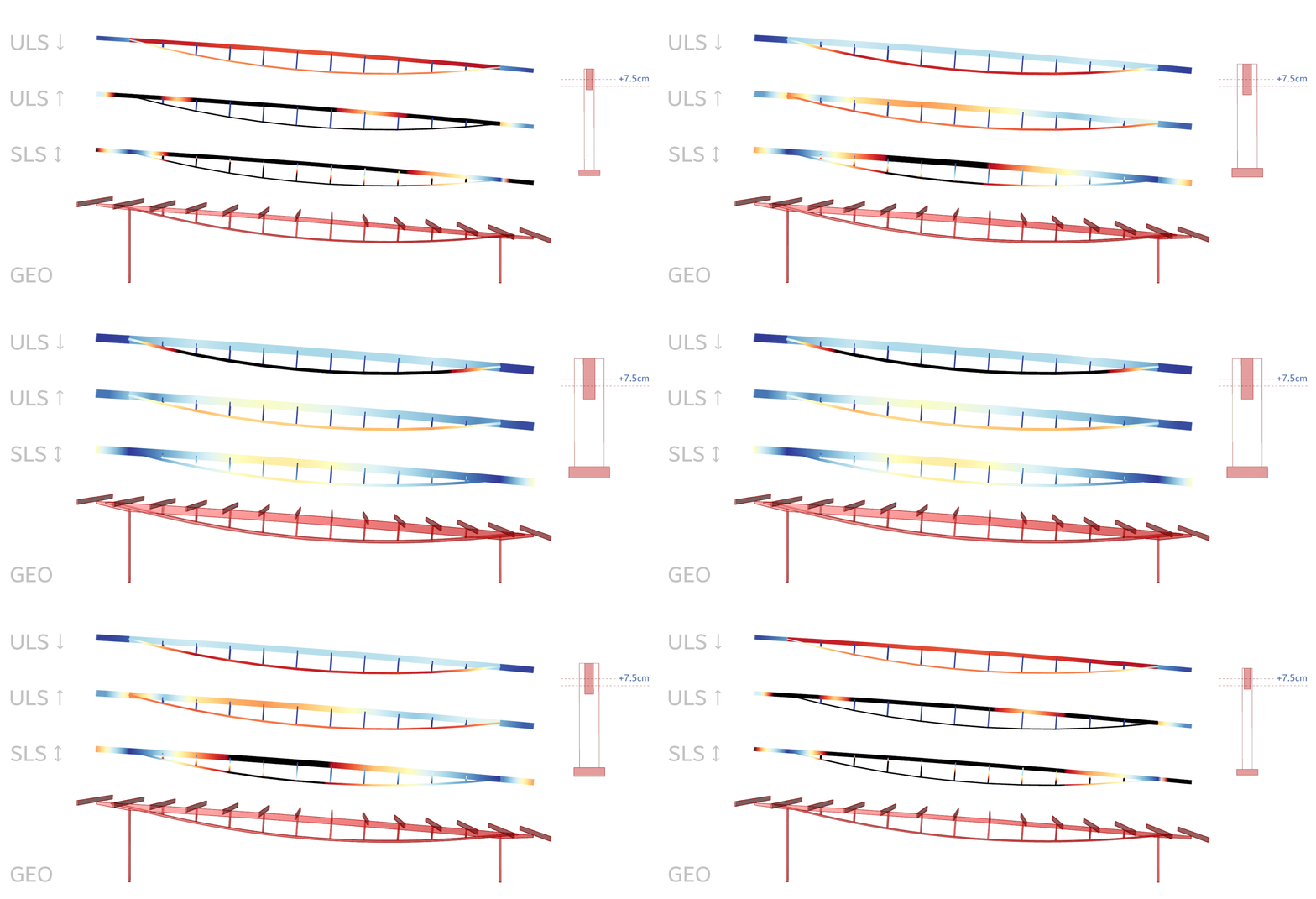
The design process was structured around an integrated computational workflow. Parametric geometry was developed in Grasshopper. It allowed key dimensions and cross-sections to remain variable and adaptable throughout the study. This geometry was then analyzed using Karamba3D for finite element analysis (FEA), enabling continuous structural evaluation.

Structural safety checks according to Eurocode 5 were performed using Beaver, which is fully integrated with Karamba3D. Beaver provided automated Ultimate Limit State (ULS) and Serviceability Limit State (SLS) verifications, along with detailed design ratio reports and failure mode visualizations.

Beaver is a timber engineering framework for Karamba3D users that brings transparent Eurocode 5 timber verification directly into Grasshopper. It allows designers to evaluate timber members and connections within the same parametric workflow used for modelling and structural analysis, reducing the gap between geometry generation, FEA, and code compliance. Rather than acting only as a final checking tool, Beaver supports iterative and performance-based timber design by exposing the governing checks, load cases, and parameters behind each result. A fully refactored version of Beaver, with deeper Karamba3D integration and a new user interface, used to develop this work, will be released soon on Food4Rhino.

Height Parameter ©ITA Engenharia em Madeira
Cross Section Analysis ©ITA Engenharia em Madeira

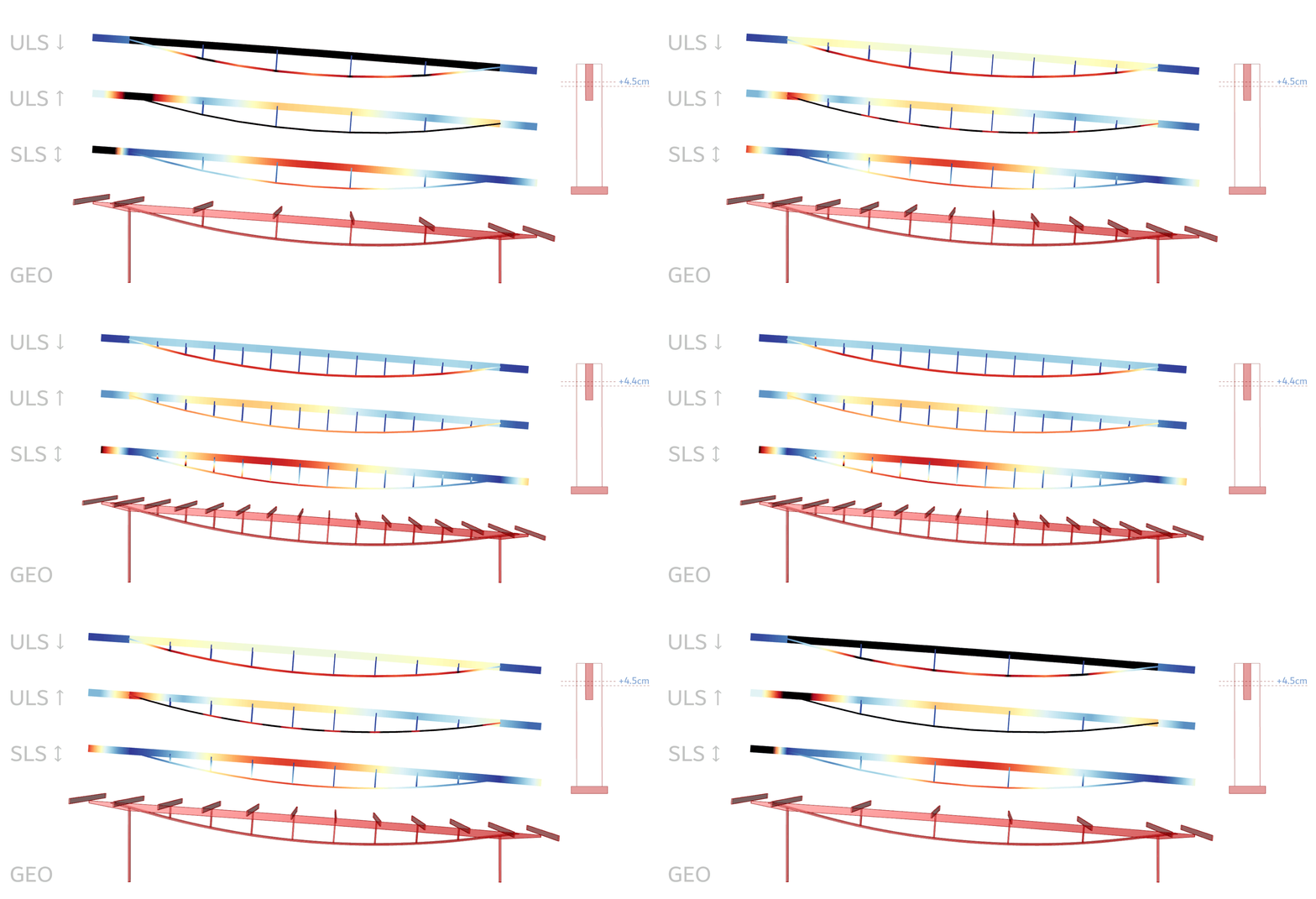
The research explored timber beam-strings as an alternative structural system aimed at minimizing nodes and simplifying fabrication and transport constraints. An algorithm was developed to generate multiple beam-string configurations based on three primary parameters: structural height, span subdivision, and cross-sections.

Given the climatic context and lightweight roof system, wind was identified as the governing load case. A timber lower chord was selected instead of a steel cable to accommodate compression forces while maintaining material consistency and environmental performance. To reduce material consumption, simple vertical posts were preferred over diagonal bracing, provided overall stability could be ensured. Posts and lateral bracing were aligned with secondary structural elements to reduce unnecessary bending effects and improve overall efficiency.

Division Parameter ©ITA Engenharia em Madeira

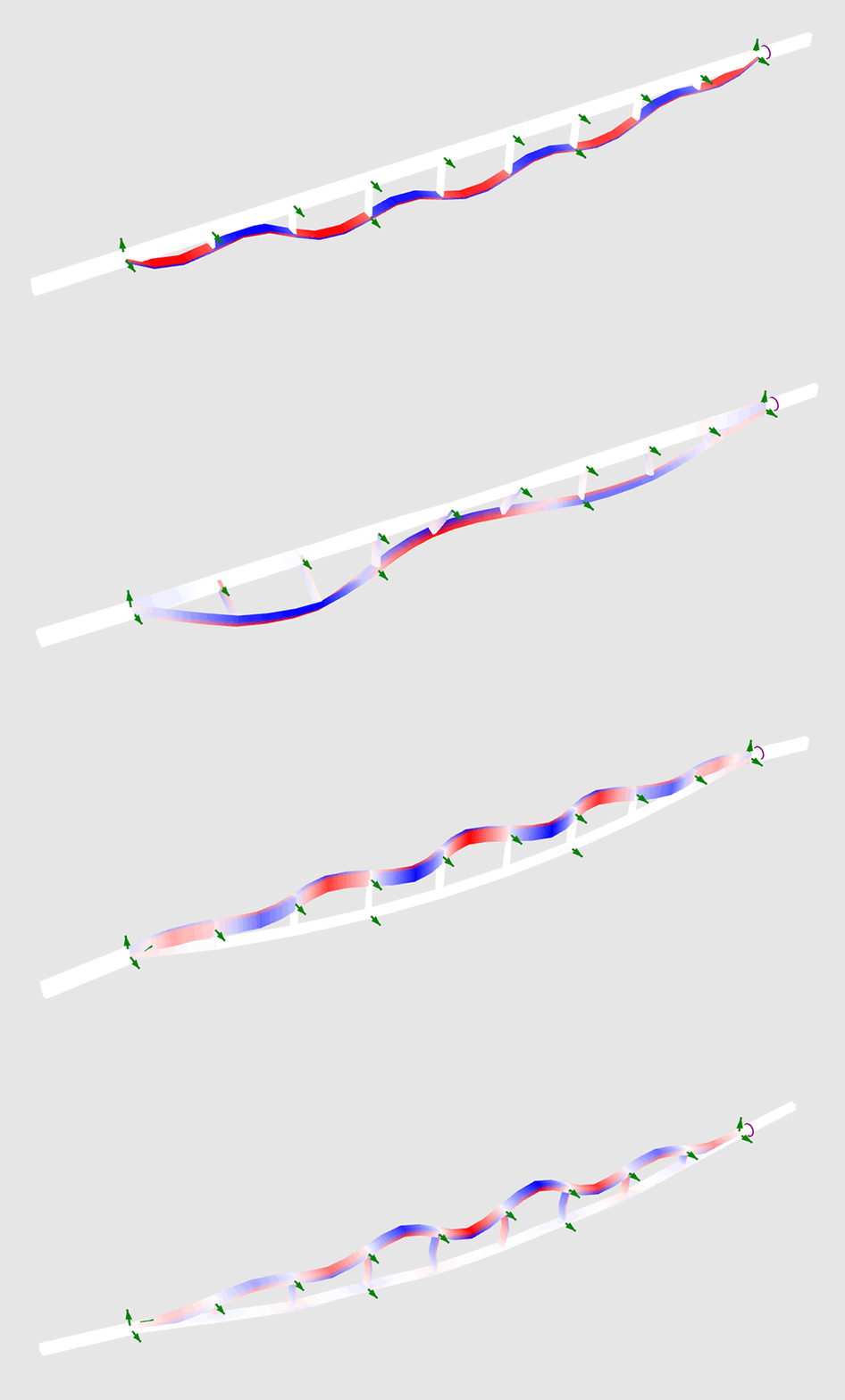
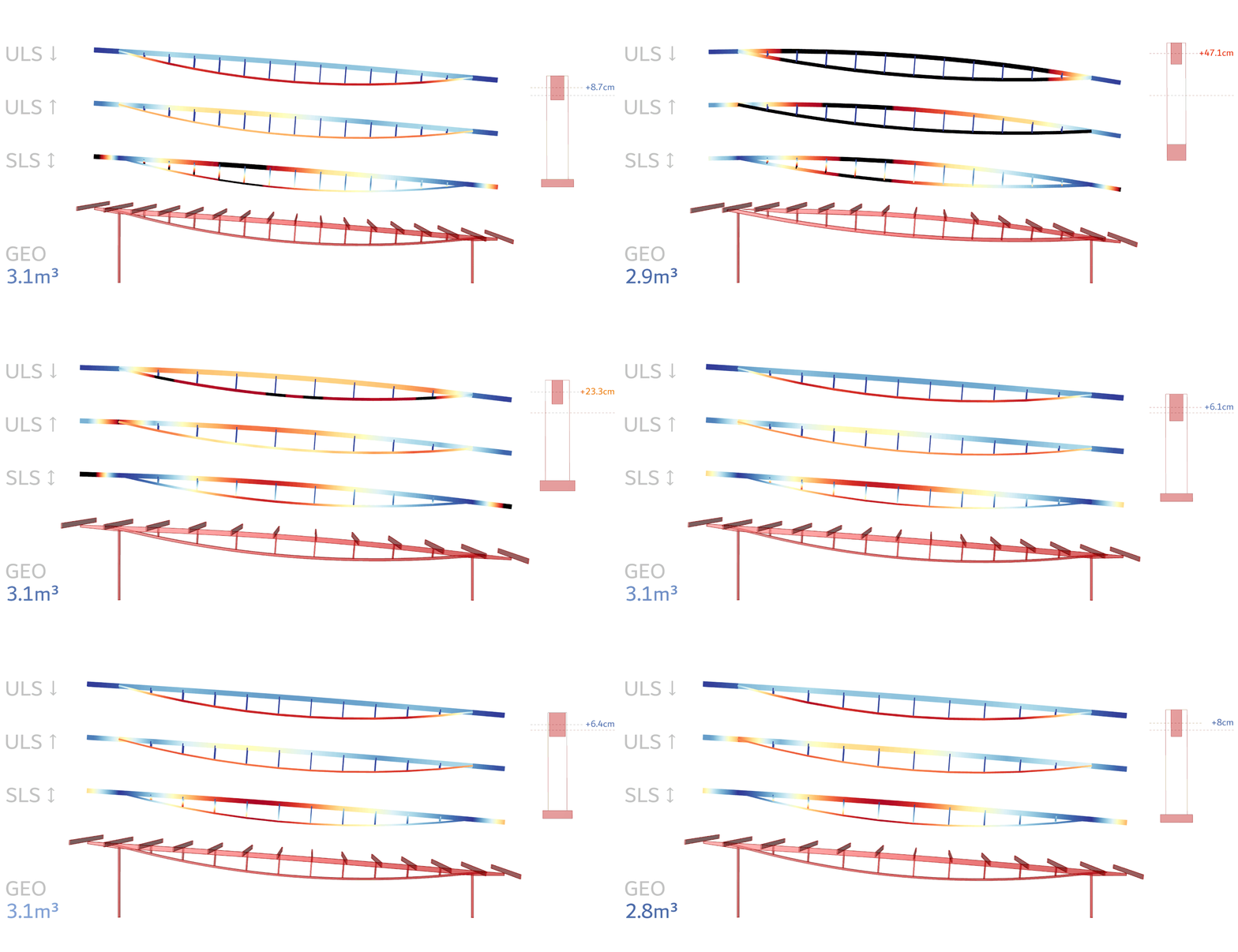
Structural evaluation with Beaver confirmed that increasing cross-sections and system height would reliably satisfy safety requirements across different geometric variations. While adding material generally increases structural safety, optimal configurations were those that approached limit states efficiently by distributing stresses evenly across elements, avoiding underutilized material. Subdivision strategies revealed important trade-offs. Fewer posts increased buckling lengths and required more robust members, whereas a higher number of posts enabled slimmer cross-sections but increased the total element count. Due to the higher frequency of lateral bracing in the upper chord, it tended to exhibit lower lateral inertia compared to the lower chord, which was initially designed with fewer braces. Additionally, configurations with fewer subdivisions produced obtuse angles and jointed lower chords, while continuous chord solutions reduced the need for steel in connections, improving overall material efficiency.

Local Buckling Modes ©ITA Engenharia em Madeira

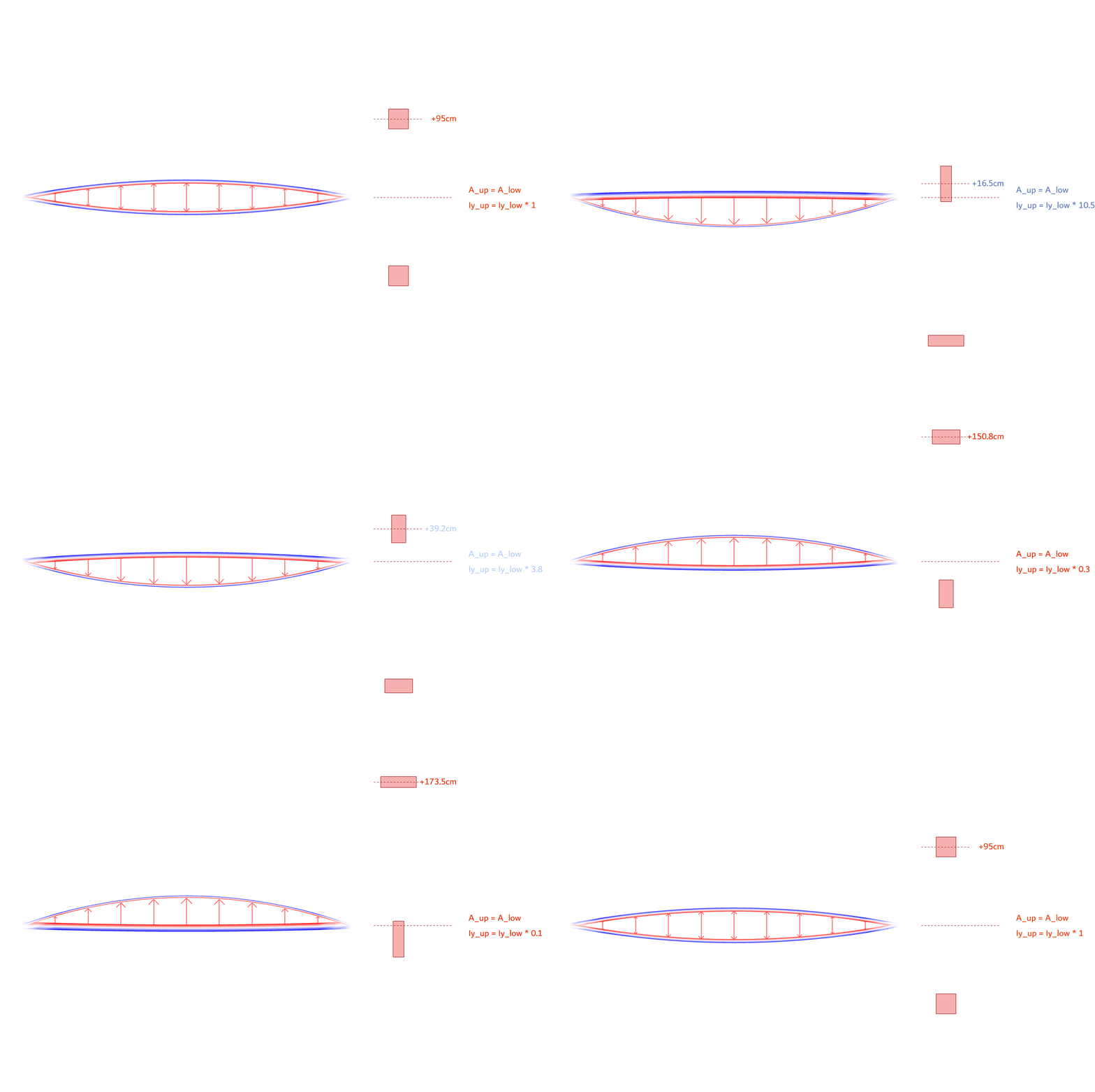
To increase the algorithm’s complexity, the geometric definition of the beam-string system was expanded to account for bending-active behavior. Because the deformation of two beams bent toward each other is proportional to their rigidity, a preliminary analytical model was developed to simulate proportional imposed deformations following parabolic curves corresponding to post lengths. The resulting deformed configuration became the geometric basis for the beam-string chords.

The analytical model further incorporated the fact that these curves originate from straight members bent during assembly. In Karamba3D, this was achieved using an approach analogous to bending-active gridshell analysis, adapted to reflect the specific interaction between the beams.

In parallel with structural limit checks performed in Beaver, additional geometric constraints were introduced for construction efficiency. To maintain compatibility with a flat thermoacoustic roof tile used across the building complex, curvature in the upper chord was restricted. Although allowing unrestricted deformation would improve structural performance, limiting curvature ensured material standardization and cost-effectiveness.

Influence of Cross Section inertias in curvature after assembly ©ITA Engenharia em Madeira

The study underscores the complexity of the structural hypothesis, where key parameters influence performance in conflicting ways. Given the region’s strong wind conditions, the system required sufficient rigidity to resist failure and maintain acceptable deflection limits, avoiding critical resonance effects. As a result, short-term Ultimate Limit State (ULS) and overall Serviceability Limit State (SLS) assessments naturally drove the algorithm toward increased beam-string height and larger cross-sections to enhance stiffness.

In contrast, long-term ULS considerations focused on bending moments induced during pre-assembly. The imposed curvature required significant internal stresses and produced lasting structural effects, particularly relevant in timber design where resistance depends on load duration through the modification factor kmod. Addressing these long-term effects required minimizing beam-string height and cross-sections, directly opposing the strategy adopted to satisfy SLS and short-term ULS requirements.

Even after developing an algorithm capable of evaluating all scenarios, identifying a configuration that satisfied all structural criteria simultaneously proved to be highly challenging.

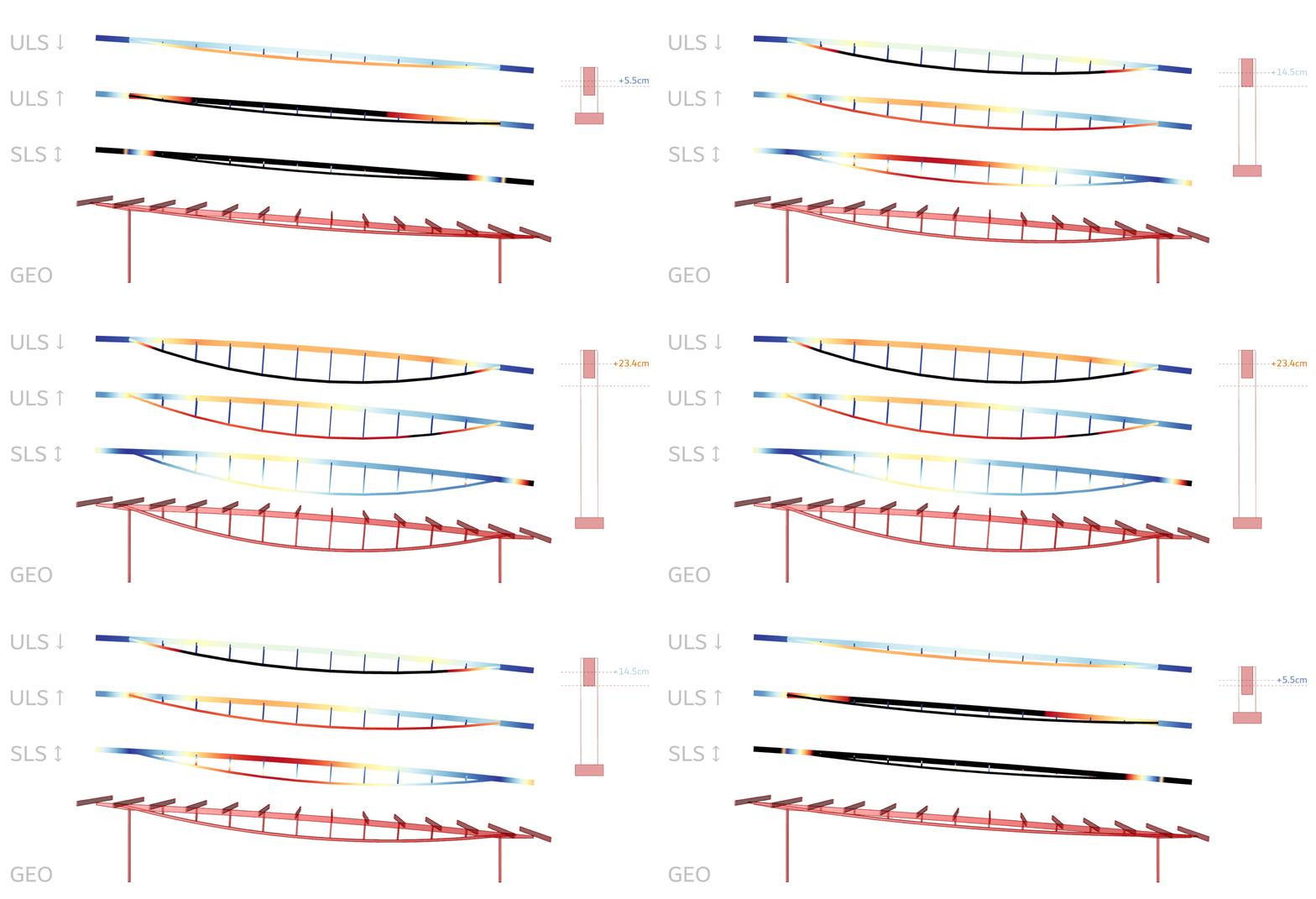
Form findind with bending active elements ©ITA Engenharia em Madeira

At this stage, a more refined analytical approach became essential. Wind loads were reassessed through detailed computational fluid dynamics simulations to better identify critical pressure conditions. In parallel, node behavior, local buckling lengths, and the semi-rigidity of connections were carefully reviewed to optimize bracing placement and improve the structural model.

Through iterative adjustments to both the analytical parameters and the form-finding objectives, the genetic algorithm eventually converged on a configuration that satisfied failure, serviceability, and curvature constraints simultaneously. The resulting beam-string system balanced axial rigidity and controlled curvature while maintaining sufficient overall stiffness without inducing excessive pre-assembly stresses.

Despite the complexity of the analysis and optimization process, the final structural solution remained clear, efficient, and materially economical. It demonstrated competitive performance compared to conventional steel or trussed alternatives and established a viable path for implementation and further research into curvature control, connection detailing, and fabrication strategies.
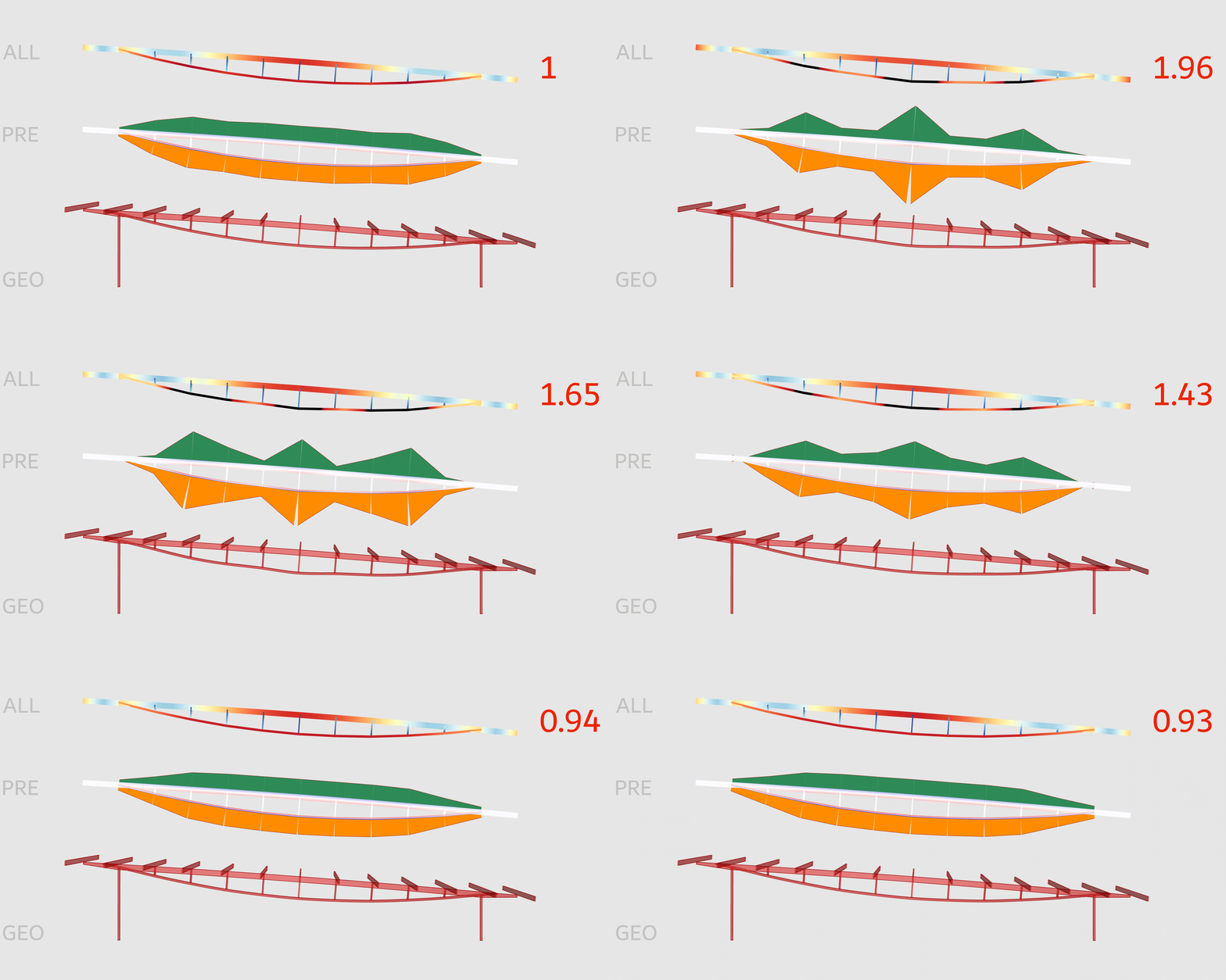
Curvature optimization ©ITA Engenharia em Madeira

To accelerate the form-finding process, parabolic curvatures were initially used as the geometric basis for the preliminary analytical model. These curvatures were introduced as imposed displacements corresponding to post heights, and the resulting beam deformations defined the overall beam-string geometry.

However, analysis of the bending moment diagrams revealed peak moments near the first posts at the supports. This indicated that parabolic curves were not optimal for distributing the concentrated forces introduced by the posts. As a result, a secondary form-finding phase was undertaken to refine the curvature geometry while maintaining the defined cross-sections and subdivisions.

By optimizing the curvature profile, the pre-assembly bending effects were reduced, leading to a measurable increase in structural safety at the Ultimate Limit State without additional material or fabrication complexity.

Hangar construction ©ITA Engenharia em Madeira